

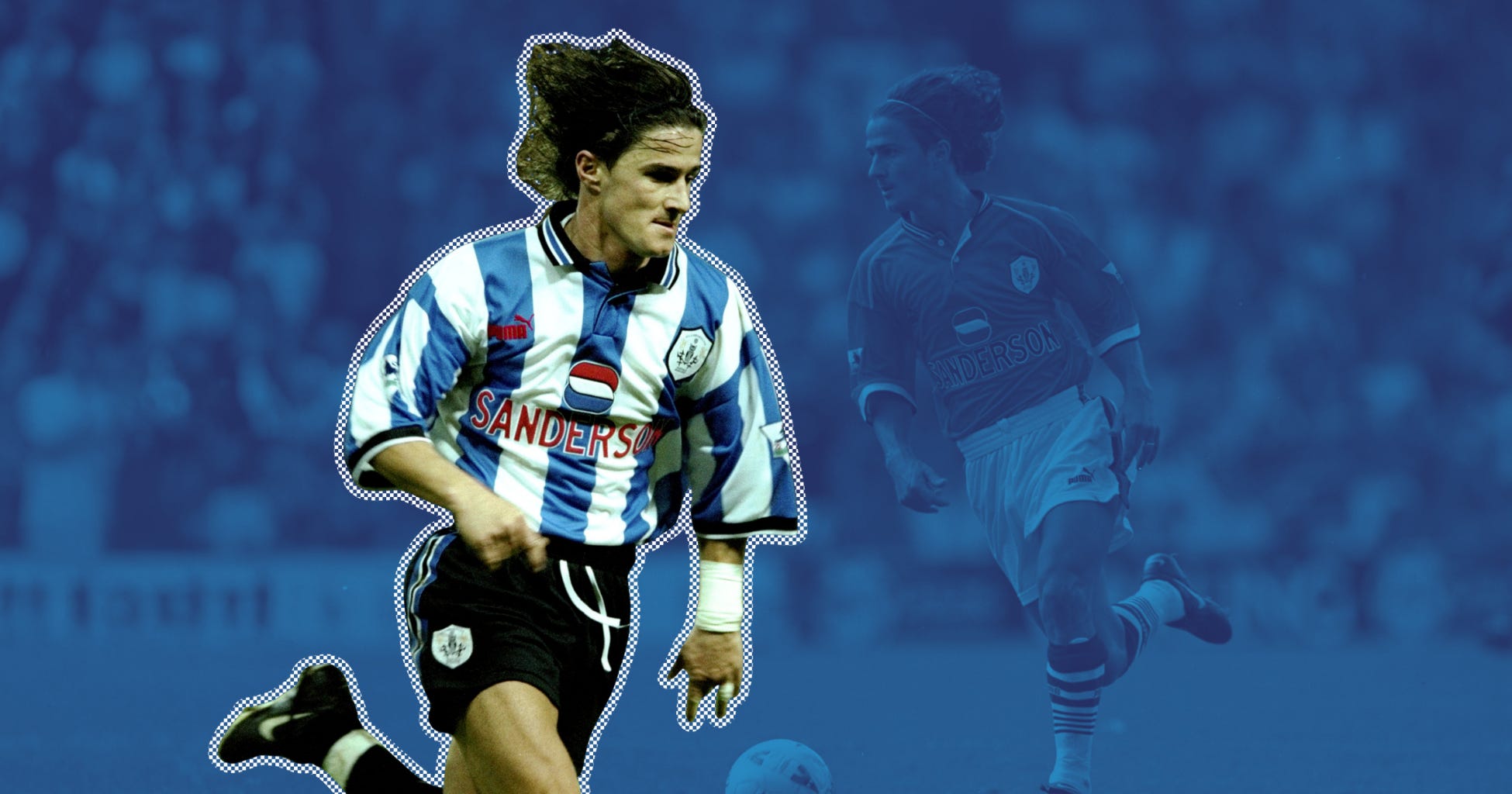
‘Benny’ smiles as he adjusts his camera. The number eight has been my lucky number since I was about six years old, and the man now looking out from my laptop screen is the reason why. When he first took to the field in blue and white I remember being mesmerised by him, everything about him just seemed exciting.
The Italian was a moments man, scoring some incredible goals during his spell at Hillsborough, and he broke a lot of hearts in 1999 when he refused to play against Southampton – a decision that marked the beginning of the end of his time in the Steel City.
Decades later he sees the error of his ways, and admits that if he knew then what he knows now – after spending time as a manager himself – he’d have acted differently. He’s also gone on to apologise to Danny Wilson himself.
“Leaving was very difficult because I didn’t leave in the right way,” he told The Wednesday Word. “The manager at the time was Danny Wilson. I saw him again many years later, when I came back to Sheffield about five or six years ago, and apologised. I told him that at the time I hadn’t understood what I was doing, but now, as a coach, I understood and accepted that I’d made a big mistake.
“If the manager decides not to put you in the starting line-up, you have to accept it, wait for your chance and show what you can do when you get on the pitch. But I acted on instinct that day.
“The day before the game I went to Danny to ask permission to go to Italy after the match. He agreed. He also told me that the game was very important, and that I would play and make a difference.
“We travelled by bus, arrived at the hotel, slept and then got up and went to the stadium. It was around half past one, with kick-off at three. When he announced the team, I wasn’t in the starting line-up, even though he’d told me the day before that I would play. He didn’t explain why he’d changed his mind.
“But even if a manager changes his mind two hours before a game, the players have to respect his decision. When I apologised, he told me that I understood now because I was a coach, but that I hadn’t understood it at the time… He was right.
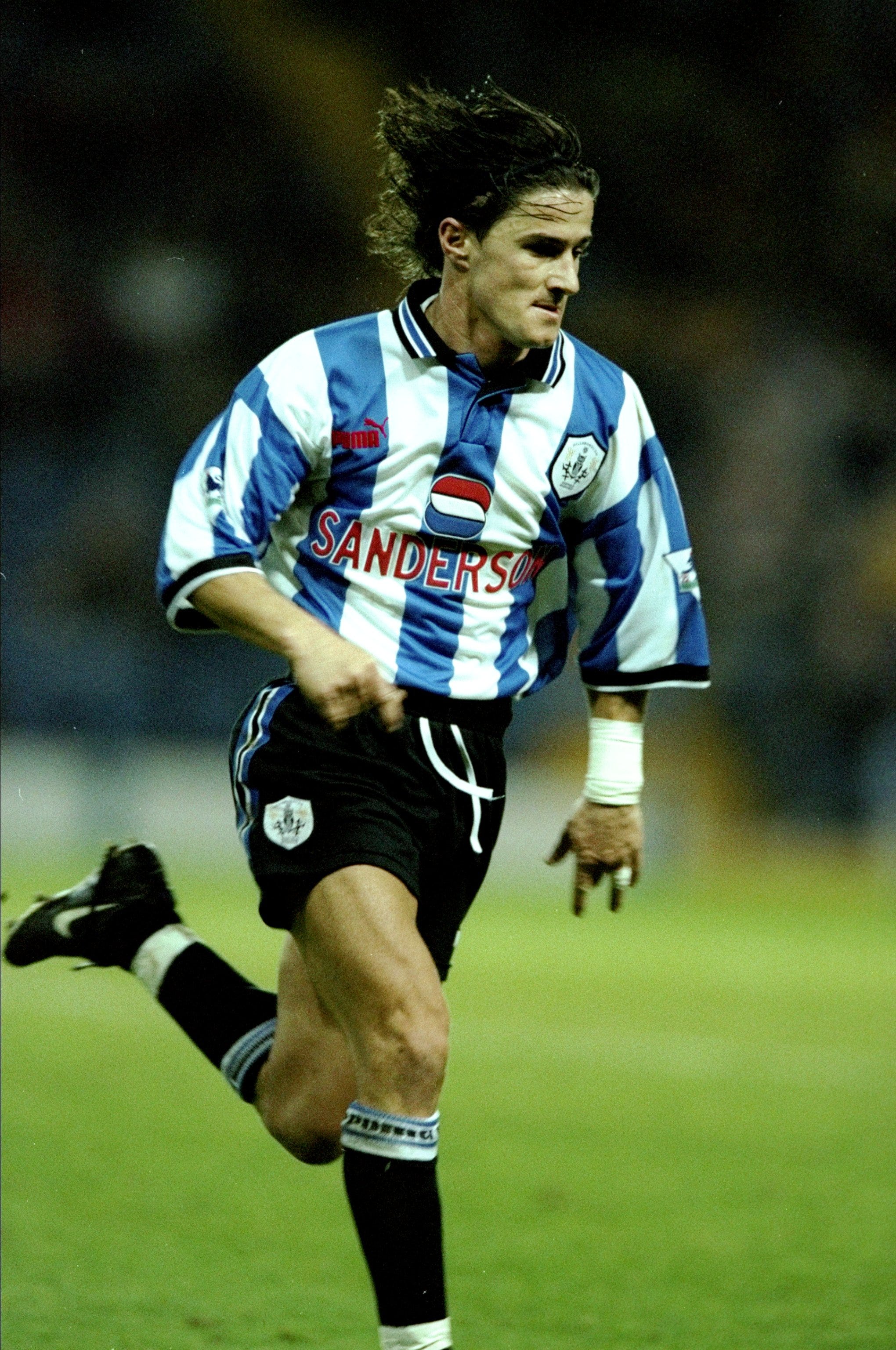
“And for that, for what I did, I broke something in the dressing room. I broke my relationship with the dressing room. The club decided to leave me out of the team for a week or two and fined me - which was correct. After two or three weeks, my agent called to say there was a good opportunity to go to Birmingham with a strong offer at Aston Villa, and we decided to take it. I understand why the club wasn’t happy with what happened.”
But while that episode is a sad one for Carbone, it doesn’t tarnish his memories of a club that he says he still loves. He was one of the first Italians to play in the Premier League, and fans well outside of the Owlsphere remember some of the things that he did in blue and white.
For the man himself, he’ll always look back at his time fondly.
“It was the first time I stayed with one team for three years,” he said with a smile. “I signed a four-year contract and stayed in Sheffield for three years - so I spent a long time at the club and with the fans. It was a good time, although sometimes things were better than others. The most important thing is what I hope I gave to Sheffield. I gave my best and everything I could, and the fans and club gave me a lot in return.
“They gave me the chance to have this new experience, learn the language and experience a different culture. It helped me improve as a person and as a player, day after day. When I talk about Sheffield, I talk about emotions, because it was a great time for me. I remember all my teammates fondly. They were great partners.
“We stayed in the Premier League for those three years. It was an amazing time in Sheffield, and I’ll never forget it. Whenever I’ve returned to England, people have recognised me and shown me a lot of love.”
‘Will they be able to handle the physicality and intensity of the English game’ is always a question asked of foreign players venturing into football on these shores. But for Carbone, he doesn’t recall any sort of bedding in period after leaving Inter Milan. Given the quality of the Serie A in the 1990s, you could say that that’s not surprising.
“I don’t remember finding it difficult,” he explained to TWW. “To be honest, playing in the Premier League in England was easier for me. Italian football was more tactical and more focused on man-to-man marking. We’re talking about football from 25 or 30 years ago, so it was different from the game today.
I had the freedom to turn, face the defender and take him on. So I didn’t have much difficulty playing in the Premier League…
“The Premier League is even better now. Managers and coaches have brought in new methods, ideas and philosophies. Teams throughout the Premier League, Championship, League One and League Two all try to play football. At that time, I found it easier because when I played between the lines, nobody came to mark or press me. I had the freedom to turn, face the defender and take him on. So I didn’t have much difficulty playing in the Premier League.
“When I arrived, David Hirst was still there. He was a legend and a great player to play alongside. It was amazing to play with those players because they helped me show everyone my quality… Des Walker was another good player. He’d played in Italy and spoke Italian, so he helped me whenever I didn’t understand something. That was a great help. There were many other players, too. I remember that we fought in every game to get a result and save the season. It was a great time.”
When he arrived as a record £3m signing at the age of 25, Carbone was surrounded by Brits at Hillsborough. Regi Blinker and Orlando Trustfull were the only ones from outside the United Kingdom, but he still chipped in with a few goals - most notably against Manchester United and Nottingham Forest.
And then along came Paolo Di Canio.
“It was wonderful,” Carbone recalls, thrilled at the mention of his former teammate. “I remember David Pleat coming to speak to me in the gym. He asked me what I thought about Paolo Di Canio... I told him Paolo was one of the best players in Italy and an amazing player. At the time, he was playing for Celtic in Scotland.
“I asked David why he was asking, and he said we might have a chance to sign him. I was delighted. A week or two later, Paolo arrived, and everything changed. A player of such high quality had joined Sheffield Wednesday.”
Between them they scored 23 goals in the 1997/98 campaign, despite the Owls only narrowly missing out on relegation, and it’s pretty safe to say that without them they’d probably have gone down. The duo were thick as thieves, and could often be seen arriving at training together in Carbone’s Porsche.
They formed an excellent combination in attack, and were the sort of players capable of getting bums off seats at S6. You never knew what they were going to produce, and Carbone says they were ‘almost perfect’ together.
“Whether he was Italian, French or Spanish, Paolo was a very important player for us. For me, it was even better because we spoke the same language, both on and off the pitch. Our partnership was almost perfect. We understood each other; when Paolo wanted the ball, when I wanted it, and the right moment to pass. Our quality as a team improved a lot.
“Hillsborough was an amazing stadium, too. I don’t remember the exact capacity, but the atmosphere was fantastic at every game, especially against big teams like Liverpool, Arsenal and Manchester United. The fans went crazy watching the game. Every time the ball moved, they reacted with incredible passion.”
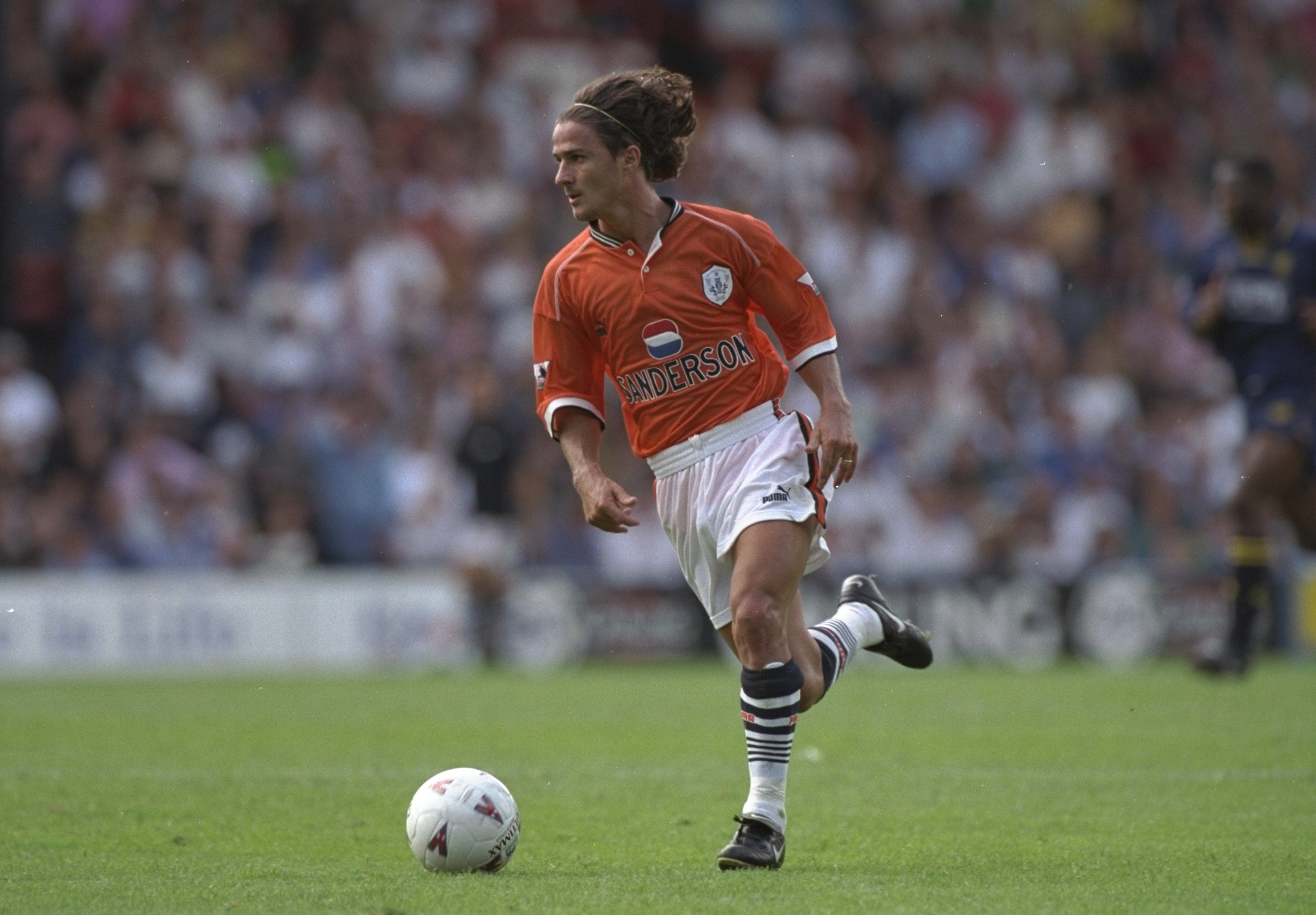
For this writer, one goal in particular sticks out when I think of Carbone. It was Newcastle United away, and I was up in the Gods at St. James Park. Wednesday were tangoed up in orange, and lost 2-1 thanks to a Faustino Asprilla brace – but the little Italian’s overhead kick remains a core memory for that seven-year-old in the stands.

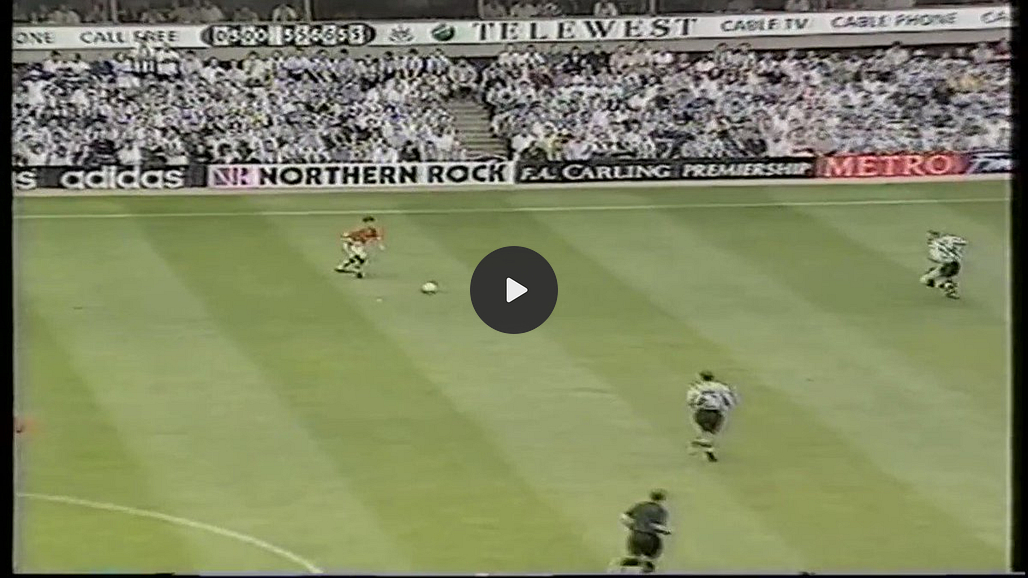
“I remember it like it was yesterday,” he says of that strike. “I think it was Paolo’s first game on the bench. He’d arrived the week before. After the game, Paolo told me it was a fantastic goal. The match was important for us, although we lost.
“The goal was incredible. When I watch it now, I’m surprised by it, because when you’re playing, you don’t think about it in the same way. Now I’m a coach, if I saw one of my players score a goal like that would be incredible. It was a very good goal.
“I think it was my favourite for Wednesday. It was beautiful. I remember many goals, and every moment was important. It wasn’t easy for us to win games, and even drawing gave us another point towards our objective. We needed around 35 or 36 points to stay up, so our aim was to take each game as it came and win as many as possible. When you scored and helped the team win, every goal was a fantastic and important moment - not just for me, but for every player.”
But while things often looked good on the pitch, it could be tough off it. Carbone – who gave up over £3m during a tough time for Bradford City – insists that it was never about the money, but he knows what some teammates thought about the high-earning foreign players in the group.
“I’ll be honest; it wasn’t always easy,” he recalled. “The two forwards were important players and earned high salaries, and sometimes some people were jealous or didn’t understand the differences between players. Occasionally, we had problems in the dressing room, but we usually sorted them out quickly.
“We tried to explain that we hadn’t come to Sheffield for the money, but for the passion. I certainly didn’t stay for three years just for the salary. I didn’t move to Sheffield, Aston Villa or Bradford for the money. At one point in my career, I left a very large amount of money behind at Bradford. Sometimes you don’t think about money; you think about what is best for you and how to make your family happy, too.
“In Sheffield, I always tried to give 100 per cent on the pitch - for myself, my family, the club and the fans. Benny Carbone, Paolo Di Canio, David Hirst and Des Walker, we all leave a club one day and other players may come in - but the club, the fans and its name remain forever.”
Last week marked 30 years since Carbone joined Wednesday, with a bowl of sauceless pasta and Pavarotti in attendance, and now he’s looking to make his way back to British shores once again. This time in the dugout.
After a spell working in Inter’s youth setup, the 55-year-old has made it clear where he wants to be next.
“I’ve been trying to find a coaching job in England for three or four years,” he says as we wrap up our chat. “For the last three years, I worked with Inter’s youth teams. It was an amazing experience. We did a great job working with young players, helping them develop and trying to get them into the first team. In the last two months, several players from my team have made it into the first team.
“When I finished working for Inter, my first choice was to find a team in England - that’s the priority. It’s a dream of mine, it’s what I’ve felt for a long time. When I was in Leeds with Massimo Cellino and I coached the U23s for a few months, I understood that that was where I wanted to be…
“Right now, and over the last 10 years, there’s no better place to be in football - the best players and the best coaches are there… The time I spent in England gave me the chance to become a better player and a better person. When I left I was better - so when people ask me about England, I always say that it’s an experience that people should do for at least one day in your life.”
Thanks for being part of The Wednesday Word family. Your fiver a month helps fund the entire project - whether it’s the articles, the YouTube or the social media platforms. Your support is hugely appreciated! Don’t forget you can get 10% off at the TWW store - just drop me a message for your code!